
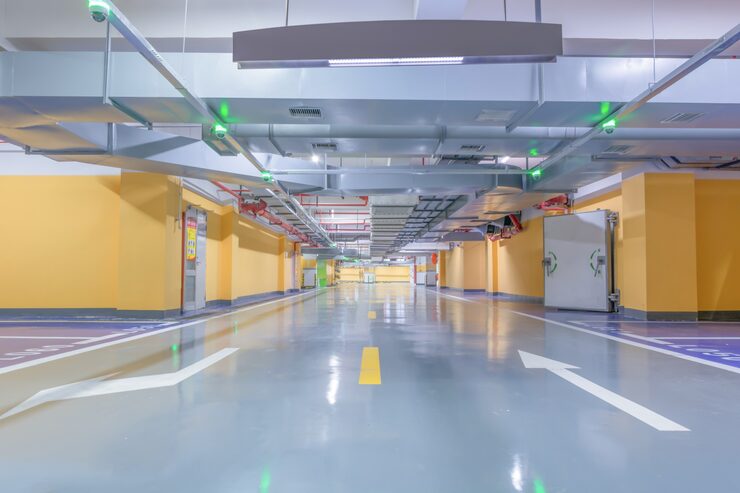
Nobody likes vague pricing. When you ask what a new floor will cost, you want a straight answer, yet the honest reply is usually that it depends. That is not an excuse. It simply reflects how many details shape a project. Let us break down the real factors so your budget conversation feels clear and fair.
Why Commercial Epoxy Flooring Costs Vary So Much
Every building is different, so every quote is different too. A small shop with smooth concrete needs far less work than a large warehouse with cracks and old paint. Because of that, any fair price comes only after a careful look at the site, the slab, and the way you use the space.
Six main factors usually influence the final number:
- Total square footage of the area
- Condition of the existing concrete
- Amount of surface preparation required
- Type and thickness of the chosen system
- Decorative features such as flakes or metallic effects
- Project timing and access to the work area
Preparation deserves special attention. Grinding, crack repair, and moisture checks take time, yet they protect everything that goes on top. Skipping them may lower the first quote, but it often raises the total cost later. When you evaluate commercial epoxy flooring, ask how preparation is handled in every proposal.
Commercial Epoxy Floor Coating Systems and Their Price Impact
Different systems carry different costs. A simple single color coat sits at the lighter end, while thicker builds, quartz blends, and metallic finishes require more material and more labor. A commercial epoxy floor coating designed for heavy loads will also cost more than one planned for a quiet office corridor.
That difference is not wasteful. A stronger system in a harsh area saves you from repeating the job sooner than expected. In contrast, putting an expensive decorative finish in a storage room adds little value. Matching the system to the space is the smartest way to stretch your budget without sacrificing performance.
How Commercial Epoxy Flooring Saves Money Over Time
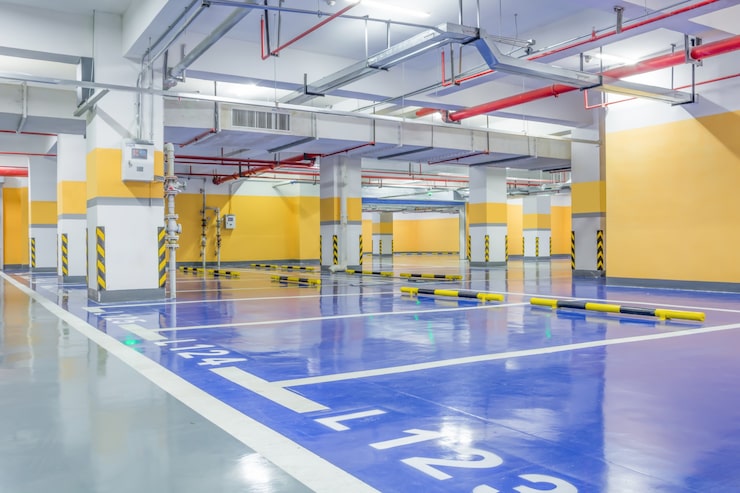
The first price is only part of the story. Epoxy resists wear, so it reduces the need for frequent patching and resurfacing. It also cleans easily, which cuts the hours and supplies spent on upkeep. Over several years, those smaller savings can outweigh the initial investment in a meaningful way.
A better surface can also protect your operations. Fewer cracks mean fewer tripping hazards, and a cleaner floor supports a more professional image. Moreover, downtime caused by repeated repairs can hurt revenue. A durable floor keeps your doors open and your team focused on work rather than on fixing the building.
Ways to Control Commercial Epoxy Floor Coating Expenses
You can keep spending reasonable without cutting quality. Try these ideas:
- Request itemized quotes so you can compare fairly
- Coat the highest traffic areas first, then expand later
- Choose finishes that match each zone instead of using one expensive option everywhere
- Plan the work during slower business periods
- Maintain the floor regularly to extend its life
Each of these steps puts you in control. Clear communication with your installer is the most valuable tool you have, because it turns a vague price range into a practical plan you can actually follow.
Final Thoughts on Commercial Epoxy Flooring Costs
Cost should never be judged by the lowest number alone. Preparation, materials, workmanship, and long term performance all deserve attention. When you weigh them together, you see the true value of the project rather than just the price tag.
Gather a few detailed quotes, ask thoughtful questions, and focus on the plan that fits your daily operations. A well chosen epoxy floor can lower maintenance stress and improve the look of your business. Reach out to a professional team today and start planning with confidence.