
Applying for a visa already involves enough paperwork without the photo becoming a separate headache. Getting a visa photo online, done properly, means the sizing and background questions are answered automatically instead of left to guesswork on your end.
Start With the Right Question
The question most people ask is “what does a visa photo need to look like.” The better question is “what does this specific visa’s photo need to measure.” Passport photo size and visa photo size aren’t universal constants, they’re set independently by each program. A Schengen visa wants a 35×45 mm photo with the head filling 70 to 80 percent of frame. A China visa wants 354 x 472 pixels, a file size between 40 and 120 KB, and a head tilt under 20 degrees. Neither of those numbers transfers to the other.
Why “Close Enough” Doesn’t Work
It’s tempting to think a photo that looks roughly right will pass, especially if it’s already been accepted for a different document. In practice, visa portals check these numbers precisely, often through automated validation before a human even reviews the application. A head that’s a few percentage points outside the required range, or a file that’s slightly over the size cap, gets flagged the same way a completely wrong photo would.
This is really the core argument for using a tool built specifically around these specs rather than trusting your own visual judgment or reusing an old photo.
What a Visa Photo Online Tool Actually Does
The process starts with your selfie, taken against whatever background happens to be nearby. From there, the tool removes that background, replaces it with the plain backdrop the specific visa requires, and crops your head to the exact proportion the application demands. Finally, it exports the file at the correct pixel dimensions and file size.
ReadyVisaPhoto runs through this exact sequence for visa photos including the DS-160, Schengen, and China visa, letting you see the finished, correctly sized photo before paying the flat $16.99 rate. You confirm it looks right first, then commit.
A Scenario That Shows Why This Matters
Imagine applying for a China visa with a photo you already used successfully for a US DS-160 application. The DS-160 photo is 600×600 pixels with no strict file size floor beyond a 240 KB ceiling. The China visa photo needs 354×472 pixels and a file size specifically between 40 and 120 KB, a narrower window in both dimensions and weight. Submitting the DS-160 photo as is would very likely fail the China visa’s requirements, even though both are, broadly speaking, visa photos.
Getting a separate, correctly sized photo for each application through an online tool avoids this mismatch entirely.
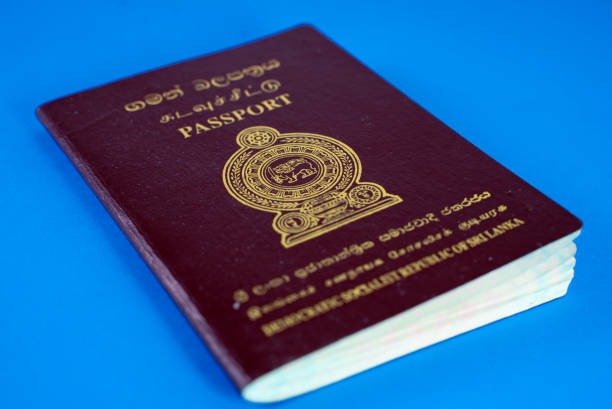
Passport Photo Size Overlaps and Differences
Visa photos often share some DNA with passport photo size requirements from the same country, but not always exactly. A US passport and a DS-160 visa photo happen to share the same 50 to 69 percent head proportion and 600×600 pixel base, which is a convenient overlap. But a UK passport’s 64 to 76 percent head proportion doesn’t line up with the Schengen visa’s 70 to 80 percent range, despite both being European travel documents in a loose sense.
The safest approach is treating every document’s photo requirement as its own separate spec, rather than assuming similarity based on geography or document type.
What Happens After You Get the Photo
Once you’ve got a correctly sized visa photo online, it should upload to the relevant portal without a formatting related rejection. If, in a rare case, the portal still flags something, a 30 day refund policy covers the full purchase amount, triggered by a simple email with your order id rather than a lengthy proof requirement.
The Bigger Picture
A visa application involves enough moving parts, travel history, financial documents, sometimes an interview, that the photo shouldn’t be the thing holding it up. Treating passport photo size and visa photo size as document specific numbers, rather than a rough guess based on past experience, is a small habit that prevents a genuinely avoidable delay.
FAQ
Can I reuse the same photo for a passport and a visa application? Only if both documents happen to share the exact same size and head proportion requirements, which isn’t guaranteed even within the same country.
What’s the safest way to check a visa photo’s size before submitting? Compare it directly against that specific visa program’s published photo requirements, or use a tool built around those exact specs to check automatically.
Does the head tilt requirement apply to every visa photo? No, it’s specific to certain documents like the China visa, which caps head tilt at 20 degrees, so always check the requirement for your specific application.